Afreximbank cancels flagship meeting as Ebola outbreak threatens Africa's business travel and trade activities
The African Export-Import Bank (Afreximbank) has cancelled its annual meeting scheduled to hold next week in Egypt, becoming one of the first major African financial institutions to alter its plans as concerns grow over an Ebola outbreak in Central Africa.
 Black News

The African Export-Import Bank (Afreximbank) has cancelled its annual meeting scheduled to hold next week in Egypt, becoming one of the first major African financial institutions to alter its plans as concerns grow over an Ebola outbreak in Central Africa.
- Afreximbank has cancelled its annual meeting in Egypt over concerns linked to the Ebola outbreak in Central Africa.
- The event was expected to attract investors, policymakers, bankers and business leaders from across Africa.
- The move highlights the potential impact of health crises on business travel, trade and investment activities.
- It comes weeks after the African Development Bank proceeded with its own annual meetings despite the outbreak.
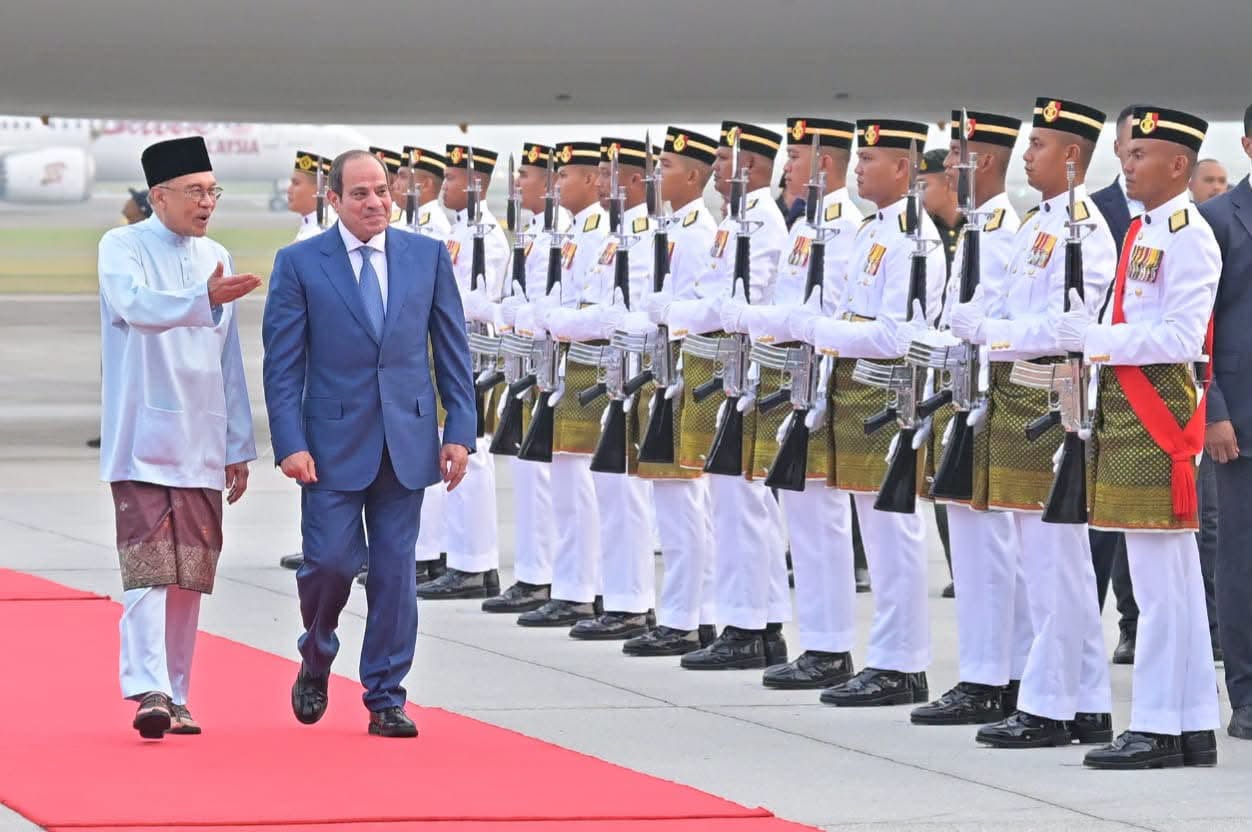
The Cairo-based lender said the decision was taken jointly with Egyptian authorities and the African Union on public health and safety grounds.
The meeting, which was due to take place in the Mediterranean resort city of El Alamein, would have brought together policymakers, investors, development financiers, bankers and business leaders from across Africa and beyond.
Afreximbank said shareholder business expected to be conducted during the gathering would now be handled through correspondence.
The cancellation comes amid heightened monitoring of an Ebola outbreak in the Democratic Republic of Congo (DRC), with neighbouring Uganda also reporting infections linked to the disease.
While the outbreak remains concentrated in affected areas, the decision highlights how health emergencies can quickly spill into the economic sphere, affecting business travel, investor engagements and major continental events.
Why the meeting matters
Afreximbank's annual meeting is one of Africa's most prominent financial gatherings.
The event typically serves as a platform for discussions on trade, industrialisation, investment, infrastructure financing and implementation of the African Continental Free Trade Area (AfCFTA).
It also provides opportunities for governments, investors and businesses to negotiate deals and announce partnerships.
The lender has emerged as one of Africa's most influential development finance institutions in recent years, providing billions of dollars in trade finance, supporting export development and helping countries navigate economic shocks ranging from the COVID-19 pandemic to global supply-chain disruptions.
Its decision to cancel the event therefore sends a strong signal about the seriousness with which institutions are treating the outbreak.
“These decisions were taken on public health and safety grounds in light of the evolving health situation in parts of the continent,” Afreximbank said in a statement.
Health crises often carry economic costs
The development is a reminder that disease outbreaks can have consequences extending far beyond the health sector.
During the 2014-2016 Ebola outbreak in West Africa, airlines suspended routes, tourism declined sharply and investment projects were delayed as concerns over the virus spread.
The World Bank estimated that Guinea, Liberia and Sierra Leone lost billions of dollars in economic activity as a result of the crisis.
Economists note that even when infections are concentrated in a few countries, perceptions of risk can affect travel decisions, conference attendance and investor sentiment across a wider region.
The cancellation of the Afreximbank meeting may therefore raise concerns among businesses involved in aviation, hospitality, logistics and event management, sectors that are often among the first to feel the impact of travel-related disruptions.
Contrast with AfDB gathering
The move comes only weeks after the African Development Bank (AfDB) proceeded with its annual meetings in Brazzaville, Republic of Congo, shortly after the Ebola outbreak was declared in neighbouring DRC.
The differing responses underscore the difficult decisions institutions face as they seek to balance economic engagement with public health considerations.
For now, health authorities continue to monitor the outbreak closely while working to prevent further spread.
Whether the situation remains a public health challenge confined to affected countries or evolves into a bigger economic concern for the continent could largely depend on how quickly the outbreak is contained in the coming weeks.