Trump administration tightens overseas green card processing, raising concerns for African migrants
African migrants seeking permanent residency in the United States could face longer delays and the risk of being stranded outside the country following tighter overseas green card processing measures introduced under the Trump administration.
 Black News
African migrants seeking permanent residency in the United States could face longer delays and the risk of being stranded outside the country following tighter overseas green card processing measures introduced under the Trump administration.
- The Trump administration is tightening green card processing, requiring most temporary visa holders to return to their home countries for interviews.
- This new policy reverses a 70-year precedent allowing applicants to adjust their status within the United States.
- Exceptions to the travel requirement are limited and only granted for extraordinary circumstances or essential economic or national interest cases.
- African migrants are especially affected, as overstaying visas may subject them to lengthy re-entry bans if their applications are denied.
The Trump administration has recently announced that most green card applicants currently holding temporary visas will soon be required to travel back to their home countries to complete their applications for permanent residency.
For over 70 years, the U.S. immigration system has allowed foreign workers and families living domestically to "adjust their status" to a green card without leaving the country. Under the new rule, however, applicants must return home to interview directly at a U.S. Embassy or Consulate.
DON'T MISS THIS: US quietly rolls back immigration processing freeze, easing pathway for African doctors
The policy changes affect applicants required to complete parts of the immigration process from their home countries, raising concerns among African families, students and workers over extended separations, disrupted employment plans and uncertainty around re-entry timelines.
Tight Exceptions and "Administrative Grace"
While the new policy forces most applicants overseas, certain individuals may be excluded from the requirement and allowed to complete their processing inside the United States.
According to the U.S. Citizenship and Immigration Services (USCIS) memorandum, the primary way to bypass travel is by proving "extraordinary circumstances," such as facing an urgent medical emergency, an immediate humanitarian crisis, or active danger to your life back home.
Additionally, the administration has signaled that some applicants with paperwork already pending inside the U.S. might be exempted from the travel mandate if their employers can prove they provide a vital "economic benefit" or serve the "national interest."
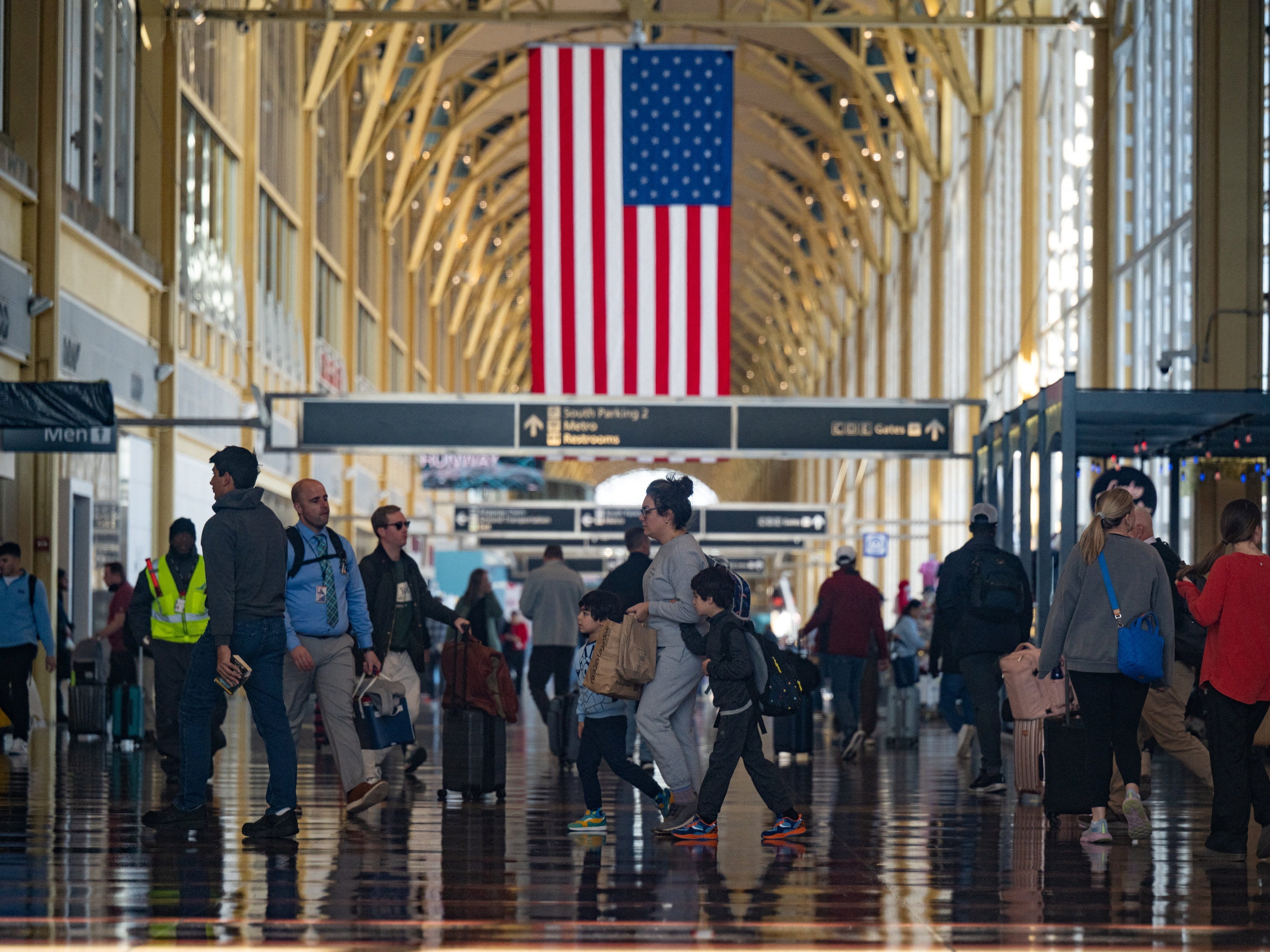
According to an official agency statement, USCIS is "returning to the original intent of the law and reinforcing the proper distinction between temporary admission and permanent residence."
USCIS Spokesman Zach Kahler added that allowing the majority of these cases to be handled by the State Department at U.S. consular offices abroad "frees up limited USCIS resources to focus on processing other cases."
He later emphasized that while the domestic path has been standard for years, enforcing the rules this way will ultimately "help make our system fairer and more efficient."
The Heavy Impact on African Nationals
It is vital to examine what this means specifically for African nationals residing in the United States on temporary visas.
Many African immigrants enter the U.S. legally on tourist or student visas but eventually overstay.
Marriage to a U.S. citizen easily resolves their legal status while remaining safe in America. With the implementation of this new rule, they must return home for their interview.
However, leaving the U.S. after overstaying a visa automatically triggers legal re-entry bars, which fall into two severe categories: Overstaying between 180 days and one year carries an automatic 3-year re-entry ban. Overstaying for more than one year triggers a 10-year re-entry ban.
Consequently, if an applicant travels back home and their green card application is denied at the embassy, they will be completely trapped abroad, instantly cut off from their American jobs and separated from their family members.
DON'T MISS THIS: US visa clampdown on Africa spares Nigerian students as full details emerge
Furthermore, the administrative capacity of U.S. Consulates in major African hubs like Lagos, Nairobi, and Accra is already stretched to its absolute limit. Due to a massive influx of standard tourist and student visa applications, wait times for an interview routinely take a year or more.
Flooding these already strained embassies with thousands of complex permanent residency interviews will inevitably slow processing times down to a crawl.
When combined with the high financial costs of international travel and the terrifying risk of losing one's livelihood while waiting, this policy creates an incredibly steep hurdle for African applicants.
Victor Awogbemila










![Taylor Polidore Williams Says Indie Film ‘HPV: Her Pretty Vagina’ Is Bigger Than Entertainment: ‘I Knew It Was A Necessary Conversation’ [Exclusive]](https://bossip.com/wp-content/uploads/sites/28/2026/05/17794757122146.jpg?quality=80&strip=all&w=1024&crop=0,0,100,683px#)