Ex-French President Nicolas Sarkozy linked to alleged funding from Libya's Gaddafi regime
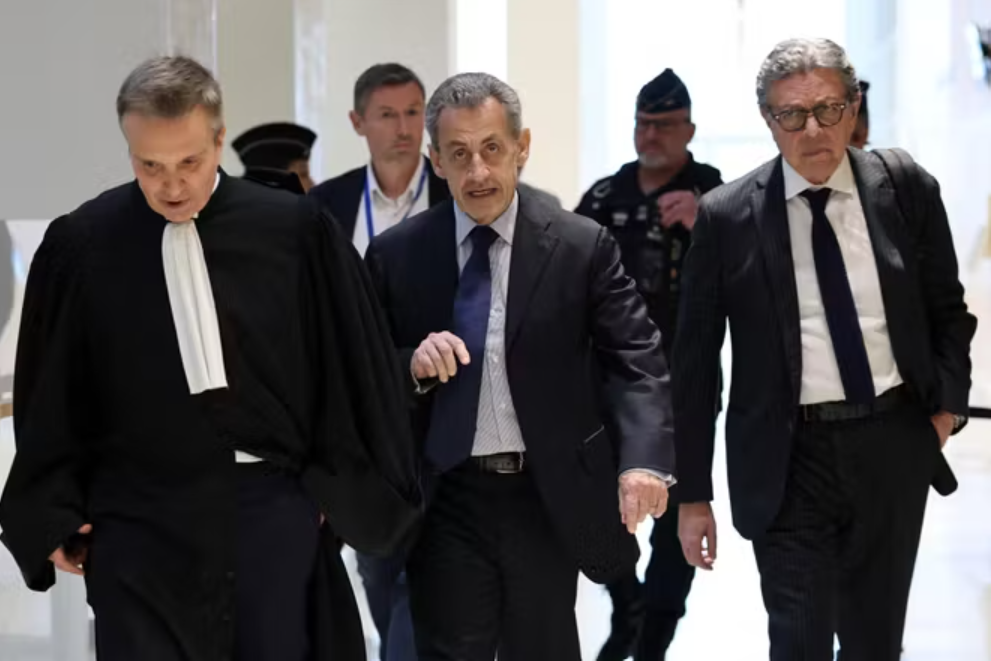
Former French leader Nicolas Sarkozy is once again under legal scrutiny as he appears before an appeals court in Paris over long-running allegations that his 2007 presidential campaign may have benefited from financial backing tied to the regime of Muammar Gaddafi in Libya.
 Black News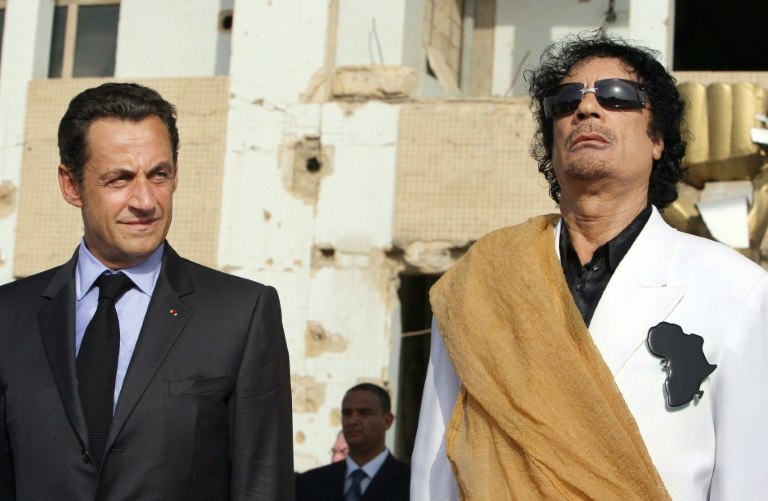
Former French leader Nicolas Sarkozy is once again under legal scrutiny as he appears before an appeals court in Paris over long-running allegations that his 2007 presidential campaign may have benefited from financial backing tied to the regime of Muammar Gaddafi in Libya.
- Nicolas Sarkozy is facing an appeals court over allegations that his 2007 campaign sought financial backing from Muammar Gaddafi's regime.
- Sarkozy denies receiving any Libyan funds, arguing his actions during the 2011 Libyan uprising contradict such ties.
- A 2025 lower court ruling found attempts were made to secure illicit funding, but did not confirm any money was actually transferred.
- The case revives scrutiny of Sarkozy as France's influence in Africa wanes and anti-French sentiment rises in several countries.
Addressing the court, Sarkozy dismissed the accusations, insisting his campaign did not receive any Libyan funds.
The case follows a 2025 lower court ruling which concluded that efforts were made to secure illicit financing, though it did not establish that any money was ultimately transferred or used.
French prosecutors argue that individuals close to Sarkozy engaged with figures linked to Gaddafi’s government, allegedly in discussions that could have involved political concessions in exchange for financial support.
Le Monde reports that Nicolas Sarkozy told the Paris Court of Appeal he has “irrefutable” proof of his innocence.
His lawyers argued that while Ziad Takieddine - an intermediary known for brokering arms deals and linked to the Libya financing allegations, received millions from Libya, none of it funded Sarkozy’s campaign, with much of the money allegedly returned as kickbacks.
The claims, which have lingered for over a decade, continue to cast a shadow over Sarkozy’s presidency and France’s broader engagement with Africa.
A shifting relationship between France and Africa
The renewed attention on Sarkozy’s case comes at a time when France is facing a visible decline in its influence across several African countries.
In the Sahel region, nations such as Mali, Burkina Faso, and Niger have moved to distance themselves from Paris, expelling French troops and reassessing long-standing defence and political ties.
These developments reflect a broader recalibration of alliances, as governments seek new partnerships and push back against what many perceive as legacy influence from former colonial powers.
The growing anti-France sentiment has been amplified by political transitions and rising nationalist rhetoric in parts of West Africa.
Legal pressure and political legacy
The appeal hearings have also included testimony from families affected by past attacks attributed to Libyan intelligence, adding historical weight to the proceedings.
Sarkozy, however, has rejected any suggestion of dealings with senior figures from the Gaddafi era, maintaining that his record contradicts the allegations.
He has pointed to France’s role during the 2011 uprising in Libya when his administration backed military action against Gaddafi, as evidence that he did not maintain favourable ties with the regime.
A final ruling in the case is expected later this year. If upheld, the charges could carry significant legal consequences, further complicating the legacy of a presidency already marked by multiple legal battles.